
Selling Inherited Gold Jewelry: A Calm, Step-by-Step Guide for Families
November 22, 2026 · Lumo.gold
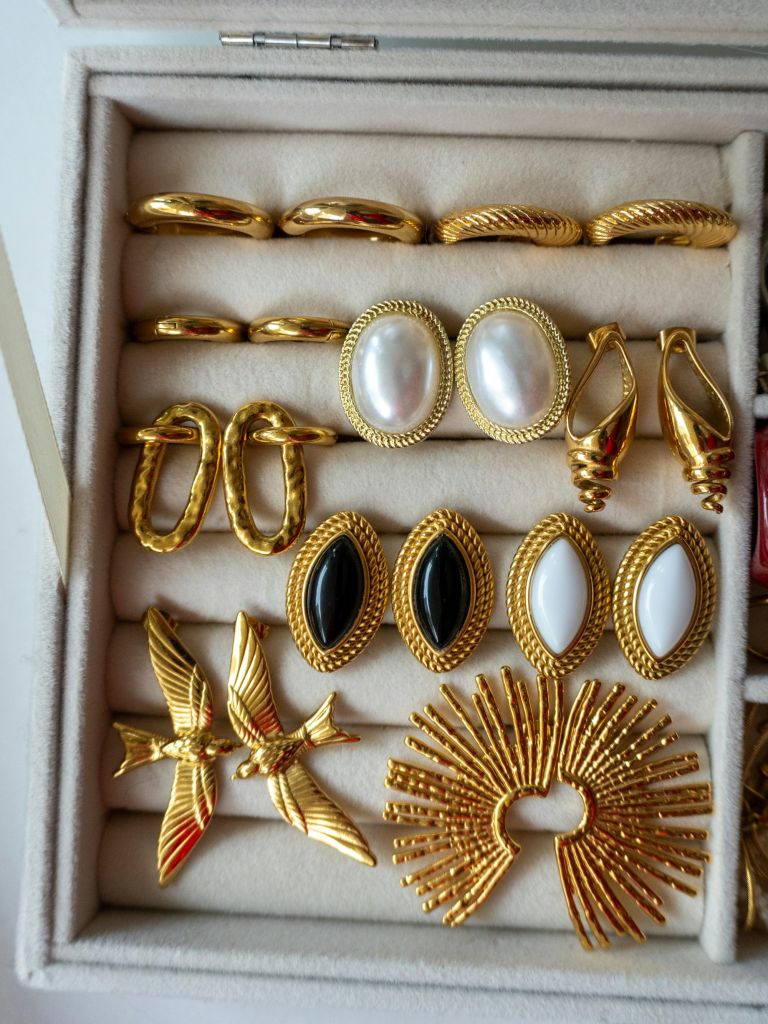
A jewelry box left behind by someone you loved is rarely just a box of metal. It holds a wedding band, a charm bracelet from a trip decades ago, a tangle of chains nobody remembers buying. When families finally open it, often in the quieter weeks after the holidays, they face two questions at once: what does this mean to us, and what is it worth?
Those questions deserve to be answered in that order. This guide lays out a calm, practical process for handling inherited gold jewelry, from the first sort to the final sale, with the tax and valuation basics every family should understand before money changes hands.
First, pause before anything leaves the house
There is no deadline on most heirloom decisions, and rushing is where families lose money and sometimes relationships. Before anyone takes a piece to a buyer:
- Confirm who has the authority to sell. If the estate is still being settled, the executor or personal representative may need to account for jewelry before it is distributed or sold. Ask the estate’s attorney if you are unsure.
- Talk as a family. One person’s scrap gold is another person’s only memory of a grandparent. Give everyone a chance to name the pieces they would like to keep.
- Do not clean, polish or repair anything yet. Leave pieces as they are until someone qualified has looked at them.
Sort the box into four piles
A simple sort keeps the process manageable and makes later conversations with buyers far more productive.
- Keep: pieces with strong sentimental value, regardless of worth.
- Appraise: anything with significant stones, a designer signature, an unusual age or craftsmanship that suggests value beyond the metal.
- Scrap candidates: broken chains, single earrings, worn bands and plain karat-gold pieces whose value is mostly in the metal.
- Costume or plated: items that may look like gold but are marked as plated or carry no precious-metal stamp at all.
Look for stamps with a magnifying glass. AARP’s selling guide lists common gold marks: 10K, 14K, 18K, or the fineness numbers 417, 585 and 750. Vintage pieces may lack stamps entirely, so an unmarked item belongs in the appraise pile until it is tested.
Understand the different kinds of “value”
Families are often confused when two professionals give wildly different numbers for the same ring. Usually, they are measuring different things. Jewelers of America describes three common types of value:
- Insurance replacement value: what it would cost to replace the item at a jeweler that sells that kind of piece. This is the most common appraisal type and is usually the highest number.
- Fair market value: the price a willing buyer and willing seller would agree on, reflecting the item’s used condition. Jewelers of America notes this is typically what estate appraisals and charitable donations require, and it is often lower than replacement value.
- Liquidation value: a typically low figure used when items must be sold quickly.
An old insurance appraisal tucked into the jewelry box is useful for its descriptions, but its dollar figure is probably not what a buyer will pay. Do not anchor on it.
Choose an appraiser carefully
Jewelers of America points out that there are no federal or state licensing requirements for jewelry appraisers, so credentials matter. Look for:
- A gemological credential such as the Graduate Gemologist diploma from GIA, or equivalent training.
- Membership in a national appraisal organization that requires continuing education and follows recognized appraisal standards.
- A written report that describes measurable facts (metal, weight, markings, stones), notes condition and states the type of value being given.
Jewelers Mutual advises that appraisers charge hourly or a flat fee per piece, never a percentage of the jewelry’s value. A percentage fee gives the appraiser a reason to inflate the number. It is also wise to use an appraiser who is not the person buying the piece.
Know the tax basics before you sell
Taxes are where inherited jewelry differs most from jewelry you bought yourself, and the rules generally work in heirs’ favor.
- Your starting value is usually the date-of-death value. IRS Publication 551 says the basis of inherited property is generally its fair market value at the date of the decedent’s death (or on an alternate valuation date if the estate’s representative elects it). Gain is measured from that value, not from what your grandmother paid in 1962.
- Gold can be taxed as a collectible. The IRS taxes net long-term capital gains from collectibles at a maximum 28 percent rate, according to IRS Topic 409. AARP notes that the IRS classifies precious metals as collectibles.
- Gifts are different. If a living relative gave you the jewelry instead, IRS Publication 551 says your basis is generally the giver’s adjusted basis, which can mean a larger taxable gain when you sell.
This is exactly why a date-of-death appraisal is worth getting early. It documents the basis you may need if you sell later. Because the details depend on your situation, run the numbers with a licensed tax professional before a large sale.
Selling the scrap pile wisely
For plain karat gold, value comes down to weight, purity and the buyer’s margin. A few habits protect you:
- Sort by karat and weigh each group in grams so you can estimate melt value before you go.
- Get at least three quotes, ideally the same day, as AARP recommends, so the market price is consistent.
- Ask buyers to weigh and test in front of you and to show the karat and weight they are paying for.
- Compare offers as a percentage of melt value. AARP quotes a precious-metals executive who calls an offer around half of metal value a bad deal.
- Call ahead. AARP reports some shops have stopped accepting certain metals at times, so confirm before you drive across town.
If several family members share the proceeds, write down each piece sold, its weight and karat, the buyer and the amount received. A simple record prevents misunderstandings later.
Keeping a piece, but changing it
Not every heirloom has to stay exactly as it was or be sold. Some families have a jeweler reset a stone from a worn ring into a new setting, or divide a long chain into pieces for several grandchildren. If you go this route, get a written estimate and ask what happens to any leftover gold.
If you are the executor
The person settling an estate carries extra responsibility, and a little structure protects both the executor and the heirs. Before distributing or selling jewelry:
- Photograph and list everything first, including pieces that look like costume jewelry. A complete list prevents later questions about what was in the box.
- Keep appraisals, receipts and sale records together in one folder with the rest of the estate paperwork.
- Use written offers. If jewelry is sold, ask each buyer for a written quote listing weight and karat, so heirs can see how the price was reached.
- Treat family members evenly. If one heir wants to buy a piece from the estate, a written appraisal gives everyone a fair reference point.
- Ask the estate’s attorney before selling anything if you are unsure whether you have authority yet.
None of this needs to be elaborate. A shared spreadsheet and a folder of photos will answer most questions before they turn into disagreements.
A closing thought
The best outcome is one where the family keeps what matters, sells what doesn’t for a fair price, and has the paperwork to show how it was handled. Moving slowly, documenting carefully and asking the right professionals the right questions is how you get there.
This article is general education, not financial advice; talk to a licensed professional (a tax advisor, attorney or financial planner) about your own situation. Lumo is an information site and directory that connects people with gold buyers and dealers; Lumo does not buy or sell gold.
Sources: IRS Publication 551; IRS Topic 409; Jewelers of America; Jewelers Mutual; AARP
Quick check
How much did you catch? Tap a question to see the answer.
1. What is the usual tax basis of inherited jewelry?
Answer: Generally its fair market value on the date of the owner’s death (or an alternate valuation date if the estate elects it), per IRS Publication 551.
2. Which type of appraisal value is typically used for estates?
Answer: Fair market value, which is often lower than insurance replacement value.
3. How should a reputable appraiser charge?
Answer: Hourly or a flat fee per piece, never a percentage of the jewelry’s value.