
Mercury, Rivers and Your Bullion Bar: What Peru’s Spreading Gold Rush Teaches Coin and Bar Buyers
November 20, 2026 · Lumo.gold
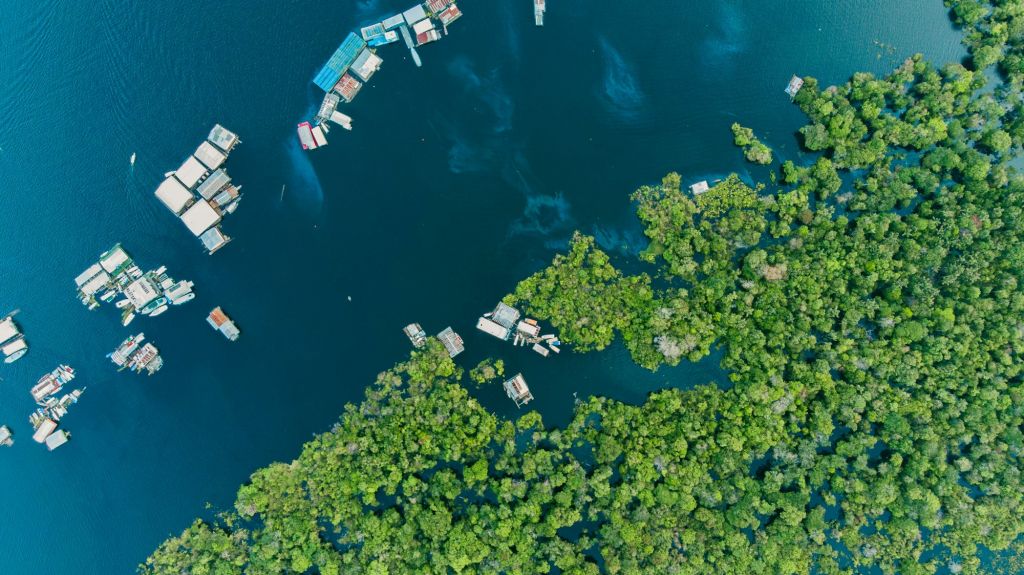
Gold coins and small bars are among the most popular holiday gifts for people who like something solid. A one-ounce coin under the tree or a small bar for a graduate feels timeless. The metal in those products starts somewhere, and in Peru that somewhere has been spreading. The Associated Press reported this year that illegal gold mining has moved well beyond its old stronghold in the southern Amazon region of Madre de Dios into new parts of the country, threatening rivers, forests and the people who live along them. With Thanksgiving next week and the gift season starting, here is what the story tells coin and bar buyers.
What the AP found
The AP report described illegal mining spreading from Madre de Dios into Loreto and Ucayali, with activity also reported in Huánuco and Pasco and along the border with Ecuador. Even Peru’s top official on the issue has acknowledged how widespread it is. Rodolfo García Esquerre, appointed in 2024 as the country’s high commissioner against illegal mining, said in a television interview early this year that illegal mining exists in every region of Peru.
The methods are destructive and fast. Miners clear forest with bulldozers, dig pits in floodplains and run floating dredges that suck up river sediment. They leave mercury-laced standing water, collapsing riverbanks and growing camps and roads. Researchers told the AP that changes can show up within weeks or months, and sediment plumes in rivers often appear almost at once. At the Panguana Biological Station in Peru’s central Amazon, administrator Fernando Malatesta described rivers turning murky and dozens of machines clearing nearby forest. Station staff left after threats grew in 2025 and early 2026.
Why it matters: mercury, violence and money
Mercury is the core health threat. It is used to bind and separate gold, then builds up in rivers and in the fish that many communities depend on. Claudia Vega of the Amazon Center for Scientific Innovation, known as CINCIA, warned that the contamination could become comparable to Japan’s Minamata disaster, which caused serious neurological damage. Scientists also warned of permanent damage to river corridors and floodplains. They said continued expansion could push parts of the Amazon toward a tipping point where rainforest degrades into drier, savanna-like land.
The human toll is severe too. Julio Cusurichi, an Indigenous leader from Madre de Dios, said more than 30 Indigenous leaders have been killed in recent years for defending their land. Julia Urrunaga, Peru program director at the Environmental Investigation Agency, described illegal gold mining as a key income source for criminal networks with ties to political interests. She said international gold buyers must be held accountable for the harm tied to their demand. That point reaches all the way to the coin counter.
Context: enforcement struggles to keep up
Peru isn’t idle. In late 2023 it created a high-level, multisector commission to fight illegal mining and bring small-scale miners into the formal economy. Recent operations have seized and destroyed equipment worth more than 60 million soles, about $16 million. Environmental defenders told the AP that enforcement on the ground remains weak. Later in the year, the navy stepped up helicopter raids in Madre de Dios, and prosecutors said they would go after financiers. Even so, high gold prices make remote, illegal operations profitable enough to keep coming back.
Practical guidance: buying coins and bars with your eyes open
A finished bullion product doesn’t come with a map of its origins. Buyers still have real choices.
- Buy recognized products. Coins from major government mints and bars from well-known refiners carry consistent specifications, security features and corporate sourcing policies you can read. Unbranded pieces offer much less assurance.
- Read the refiner’s sourcing policy. Many large refiners publish responsible-sourcing commitments and describe the audits they go through. Ten minutes of reading tells you a lot about who stands behind a bar.
- Ask about recycled content. Some refiners and dealers offer products made largely from recycled gold. Ask your dealer what is available and how the claim is verified.
- Know the premium. Coins and small bars sell for more than the metal’s spot value. Before buying, ask the dealer what it would pay to buy the same item back, so you understand the round-trip cost.
- Check authenticity. Buy from established dealers, keep packaging and assay cards and be skeptical of prices well below the market rate. Counterfeit coins and bars do circulate.
- Keep the paperwork. Receipts with product name, weight, purity and serial numbers (for bars) make resale, insurance claims and estate planning easier.
- Gift with context. If you give gold, include a note on what the item is, its weight and purity and where it was bought. The person receiving it will thank you when they eventually sell or pass it on.
Lumo helps people find gold buyers and dealers. We aren’t a dealer ourselves, so compare several sellers and ask them these questions directly.
Coins or bars: choosing a gift that fits
If you are giving gold this season, the format matters as much as the metal.
- Government-minted coins are widely recognized, carry a legal-tender face value and usually come in standard weights and purities that dealers know at a glance. That makes them easy to sell later. They tend to carry higher premiums than bars of the same weight.
- Small bars from well-known refiners often have lower premiums per ounce and are usually sealed in assay packaging with a serial number. Keep that packaging intact, because opened or damaged packaging can complicate resale.
- Fractional coins and bars, such as tenth-ounce or one-gram pieces, fit smaller budgets and make thoughtful gifts for children or first-time collectors. They carry the highest premiums relative to their gold content, so treat them more as keepsakes than as efficient purchases.
- Collectible and proof coins are valued for rarity, condition and design as well as gold content. Their prices can be far above melt value, and their resale market is more specialized. Buy them because you love them, not because a salesperson promises appreciation.
Whatever you choose, think about the recipient. A young saver may value a recognizable coin they can show friends. A collector may want something specific. An older relative may care most that the gift is easy to store and easy to sell if they ever need to.
What to watch next
Watch whether Peru’s crackdown reaches the new frontier regions of Loreto and Ucayali, not just Madre de Dios. Watch whether prosecutors build cases against the people financing dredges and buying the gold. Across the industry, watch whether refiners tighten due diligence on gold from Peru and its neighbors, and whether more products are labeled with verified recycled or traceable origins. And watch the price. As long as gold stays high, remote illegal mining stays tempting.
The bottom line
A coin or bar can be a meaningful gift, and it is fair to want to know that it didn’t come at the cost of poisoned rivers and threatened communities. You can’t trace every gram, but you can buy recognized products, read sourcing policies, ask about recycled content and keep good records. As Thanksgiving approaches, that care is also a way of being grateful for what gold means to your family without ignoring what it costs elsewhere. This article is general education, not financial advice; talk to a licensed professional before buying precious metals as an investment.
Source: The Associated Press
Quick check
How much did you catch? Tap a question to see the answer.
1. Into which Peruvian regions has illegal gold mining spread beyond Madre de Dios, according to the AP?
Answer: Loreto and Ucayali, with activity also reported in Huánuco, Pasco and along the Ecuador border.
2. What historical disaster did a scientist compare the mercury contamination risk to?
Answer: Japan’s Minamata disaster, which caused serious neurological damage.
3. Before buying a bullion coin, what should you ask the dealer?
Answer: What it would pay to buy the same item back, so you understand the premium and the round-trip cost.